


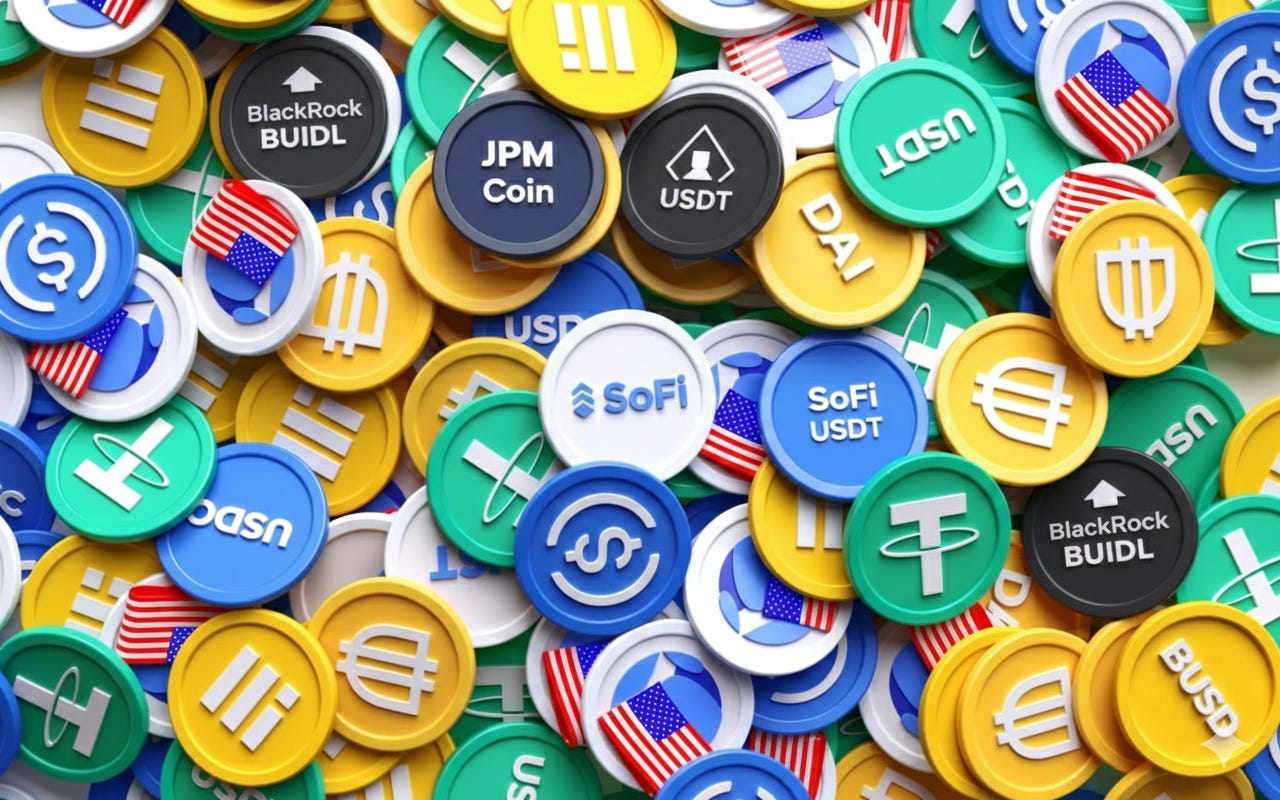
The global financial system is currently undergoing its most significant plumbing upgrade since the invention of the credit card. We are moving away from a world of “slow money”—where transactions are trapped by banking hours and geographic borders—to the Digital Dollar Standard.
At the heart of this shift is the stablecoin. While often lumped in with the volatile world of crypto, stablecoins are fundamentally different. They are digital tokens designed to maintain a fixed value (usually $1.00) by merging the stability of the US Dollar with the “superpowers” of blockchain technology: instant settlement, 24/7 uptime, and programmable logic.
Why 2026 is the “Institutional Era”
The “Wild West” of unregulated digital assets is officially over. As we head into 2026, the narrative has shifted from speculation to utility, driven by landmark global regulations:
The GENIUS Act (USA): Signed into law in July 2025, the Guiding and Establishing National Innovation for U.S. Stablecoins Act provides the first federal framework for dollar-backed tokens. It legally separates “payment stablecoins” from volatile “crypto-assets,” treating them as regulated financial instruments.
MiCA (Europe): The Markets in Crypto-Assets regulation has fully rolled out across the EU, providing a clear “passport” for stablecoin issuers to operate across 27 countries.
The End of the “Niche”: These laws have turned stablecoins from a “crypto thing” into an infrastructure upgrade for every bank and business on the planet.
How They Work: The Three Engineering Models
Not all stablecoins are built the same. In 2026, the market has consolidated into three primary models:
1. Fiat-Backed (The “IOU” Model)
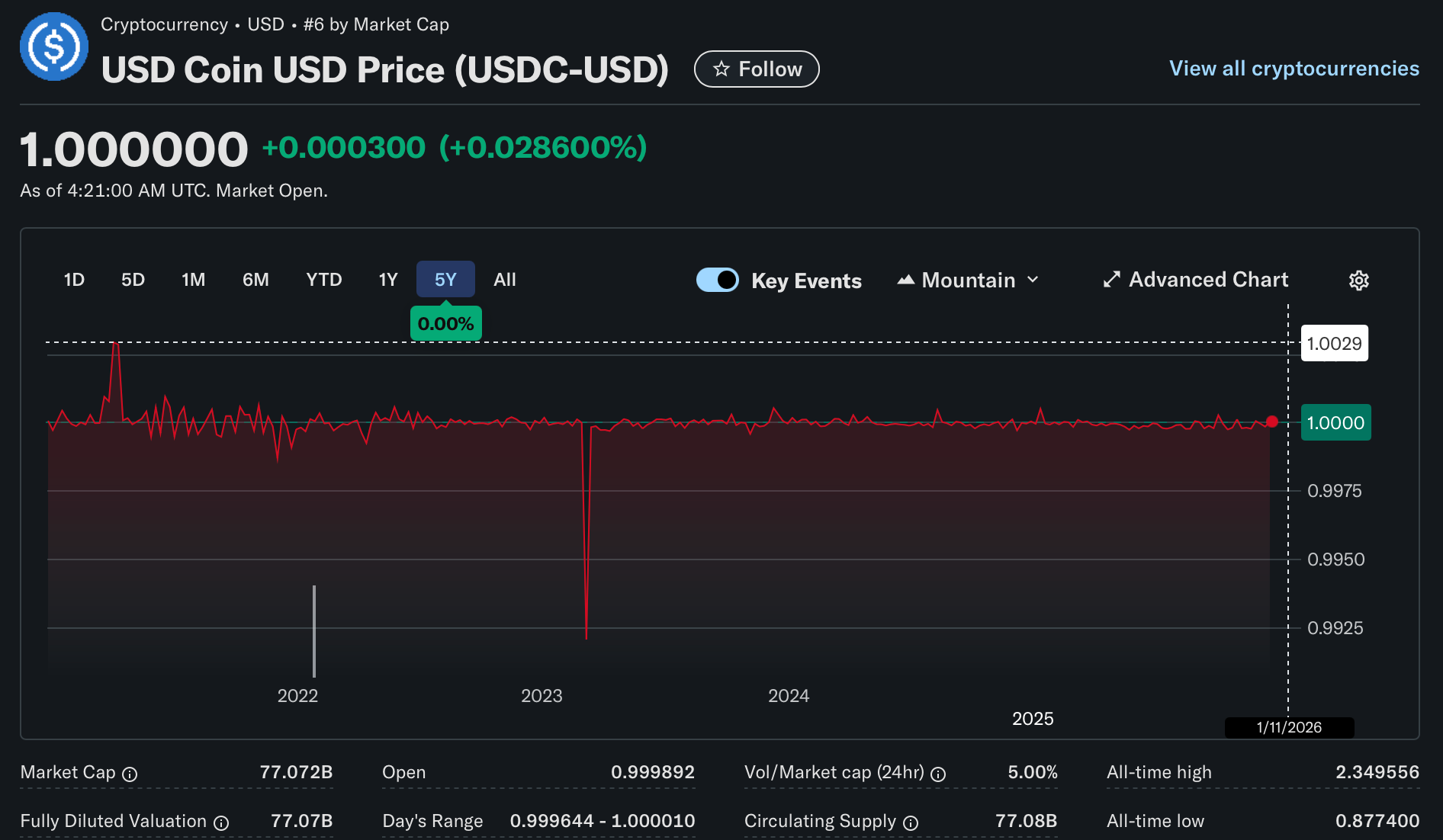
This is the simplest and most dominant form. For every token issued, the company (like Circle or Tether) holds $1.00 in high-quality liquid assets, such as cash or short-term US Treasuries.
Examples: USDC, USDT, PYUSD (PayPal).
The Hook: It’s straightforward. You trust the issuer because they are audited and regulated, ensuring you can always trade your token back for a “real” dollar.
2. Crypto-Collateralized (The “Vault” Model)
These coins are backed by other digital assets (like Ethereum) rather than dollars in a bank. To protect against price drops, they are over-collateralized—meaning there might be $1.50 worth of ETH backing every $1.00 token.
Example: DAI.
The Hook: There is no central company that can freeze your account. The “bank” is just code (a Smart Contract) running on a public network.
3. Tokenized Treasuries (The “Institutional” Model)
A breakthrough 2025 standard where the coin is actually a share in a fund of government bonds.
Example: BlackRock’s BUIDL fund.
The Hook: Unlike traditional cash, which sits idle, these coins pay a daily dividend (yield) directly to your wallet while remaining as spendable as a regular dollar.
The Great Convergence: “Old Money” Meets “New Money”
The most significant story of the past year is how traditional finance (TradFi) has adopted blockchain “rails” to move capital.
The Banking “Sidecar”
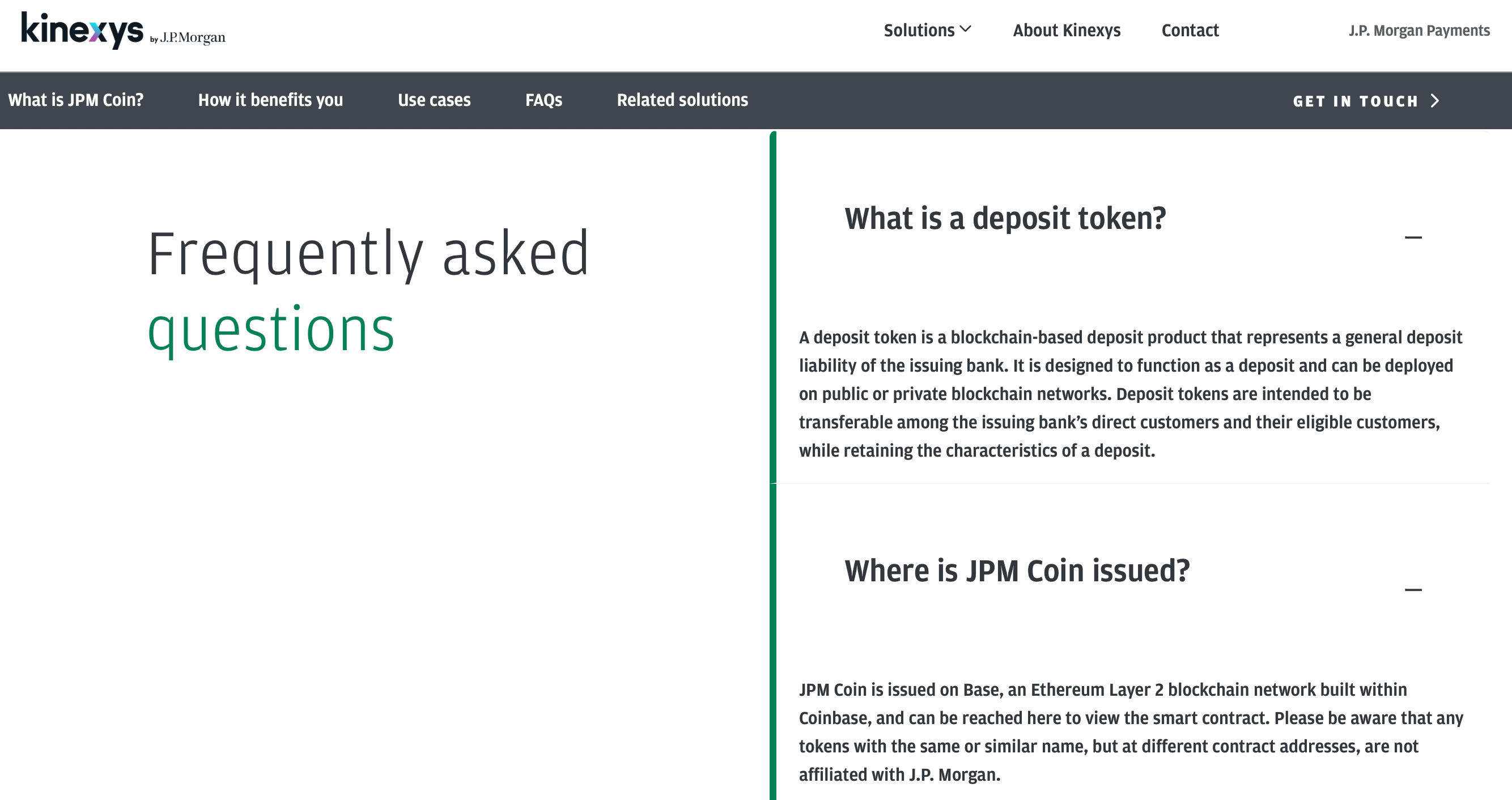
Major institutions are no longer fighting stablecoins; they are issuing them. JPMorgan and SoFi now use tokenized deposits to move billions between global offices instantly. They no longer wait for the 3-day “wire” window; they settle on Sunday nights at 2:00 AM with zero friction.
The Visa & Mastercard Shift
In late 2025, Visa officially integrated USDC settlement over the Solana network for US institutions.
The Reality: When you swipe your card at a store, you don’t see the change. But behind the scenes, the banks are now “settling up” using stablecoins. This turns a 48-hour accounting nightmare into a 4-second digital handshake.
SWIFT’s 2025 Upgrade
SWIFT, the messaging system that connects 11,000+ banks, has launched its own shared digital ledger. It now treats stablecoin wallet addresses with the same legitimacy as IBAN or SWIFT codes. This is the “Internet Protocol” moment—the moment the old copper pipes of finance were replaced by fiber-optic digital rails.
Real-World Applications for 2026
Global Remittances: A worker in New York can send $200 to a family member in Nairobi. It arrives in 30 seconds for a $0.05 fee, bypassing the traditional 7% “middleman tax.”
Programmable Treasury: Businesses use “Smart Contracts” to automate payments. A supplier is paid the moment a GPS sensor confirms a shipment has entered the warehouse—no invoices or human error required.
The Inflation Escape Hatch: In countries with collapsing local currencies, citizens use “Digital Dollars” on their smartphones to preserve their life savings without needing access to a physical bank.
24/7 Corporate Liquidity: Corporations no longer have “dead money” on weekends. They can move capital to high-yield environments 365 days a year, maximizing every cent of interest.
The Risks
While the technology is transformative, it is not without risks:
Centralization: Regulated issuers (like Circle) have the power to “blacklist” or freeze wallets if ordered by a government.
De-peg Risk: If an issuer’s reserves are questioned, the value could drop below $1.00. (Note: 2025 regulations have significantly reduced this risk for major coins).
Systemic Linkage: As stablecoin issuers become some of the largest holders of US Treasuries, the crypto market is now inextricably “tangled” with the stability of the US government itself.
Key Takeaway
By the end of 2026, you won’t talk about “using a stablecoin”—it will simply be “sending money.” The technology is becoming invisible, but the impact is clear: the US Dollar is being exported to every smartphone on Earth, moving at the speed of a text message.