


What we are experiencing is not ordinary inflation. It is a deliberate repricing of money itself. The U.S. dollar is being quietly weakened. This is not by accident, but by design. The plan is to make an unmanageable national debt appear sustainable.

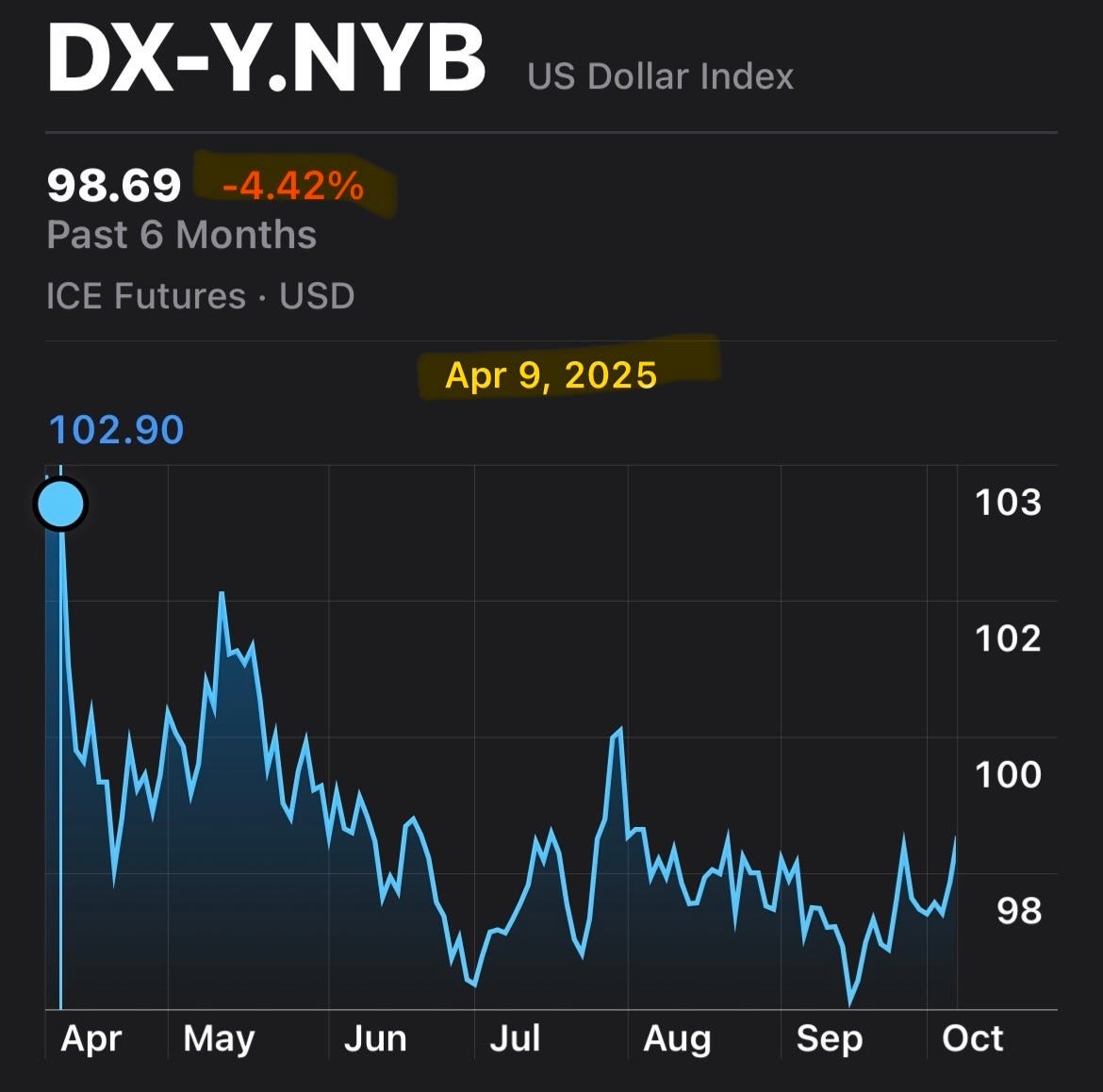
The Quiet Strategy
Instead of cutting spending or raising taxes, the government allows inflation to remain elevated. This enables the debt to be repaid in cheaper dollars. It is a tactic similar to what post-war leaders like Truman used to stabilize overextended economies.
As a result:
Nominal GDP appears to grow, but much of that growth reflects inflation rather than true productivity gains.
Stocks and assets reach “record highs,” yet the measuring stick (the dollar) continues to lose value.
The Federal Reserve carefully balances market stability with fiscal support, ensuring that asset prices remain buoyed while purchasing power erodes.
This is why everything feels more expensive even as financial markets appear strong. The prosperity is largely an illusion of nominal growth.
Where Real Value Hides
Hard assets such as real estate, commodities, gold, and Bitcoin retain purchasing power because they exist outside the fiat currency system. They do not inflate in the same way. They are not necessarily gaining value—they are simply holding steady while the currency declines.
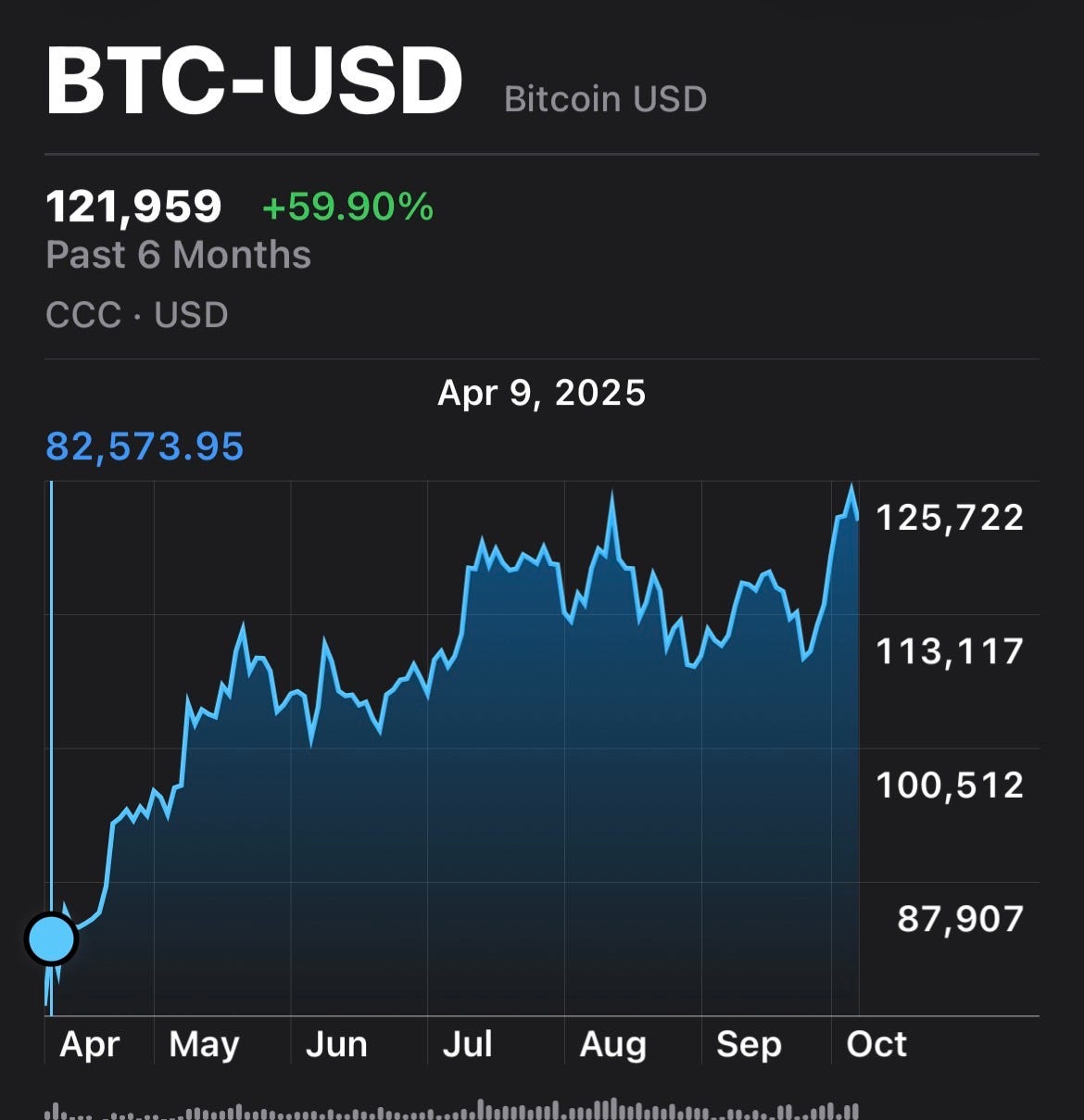
In this environment, stocks will continue to “rise,” but largely because the dollar continues to fall.
The Illusion of Measurement
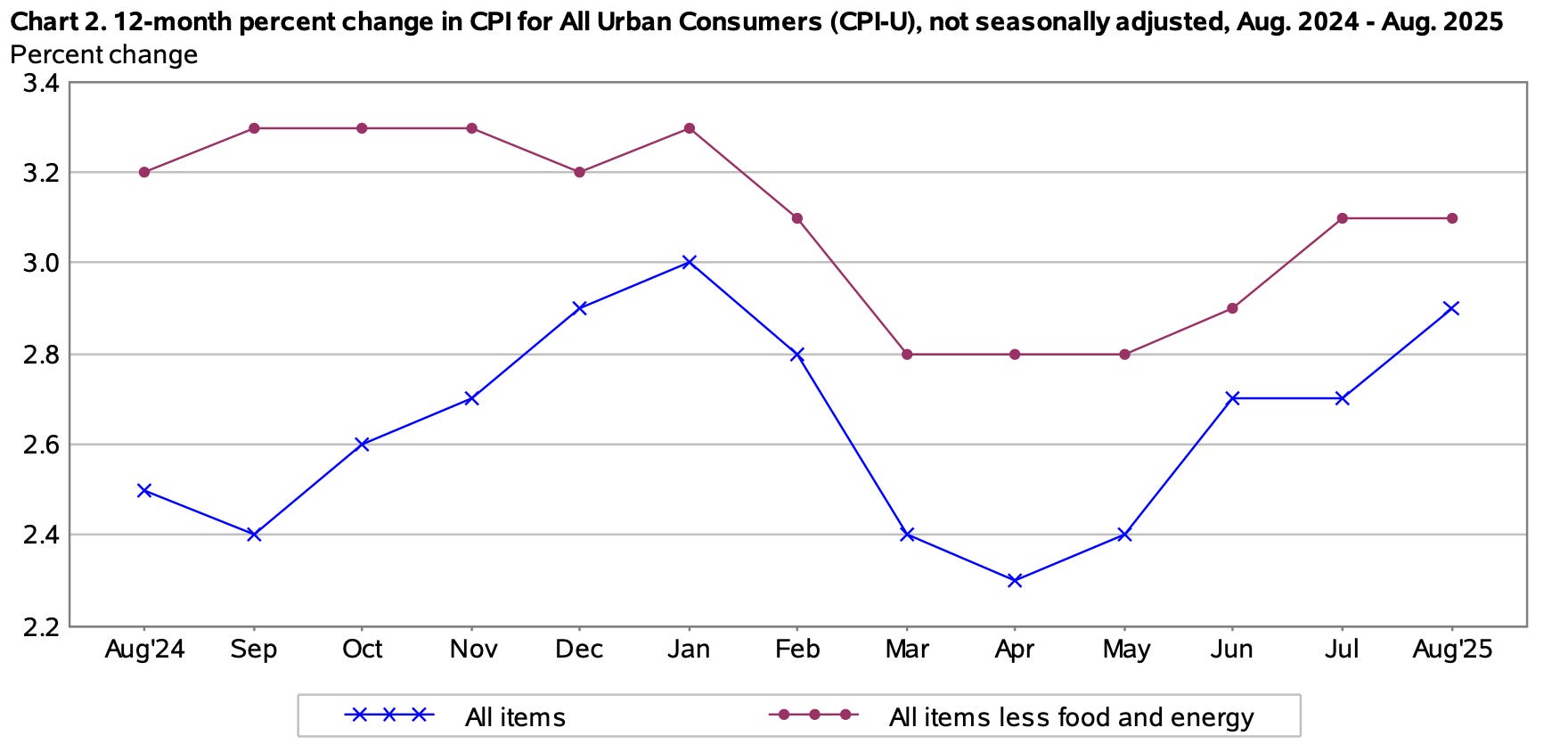
The true value of the dollar can no longer be meaningfully measured by traditional inflation metrics. The Consumer Price Index (CPI) captures how fast consumer prices change, but it fails to show how much purchasing power has eroded relative to scarce, finite assets.
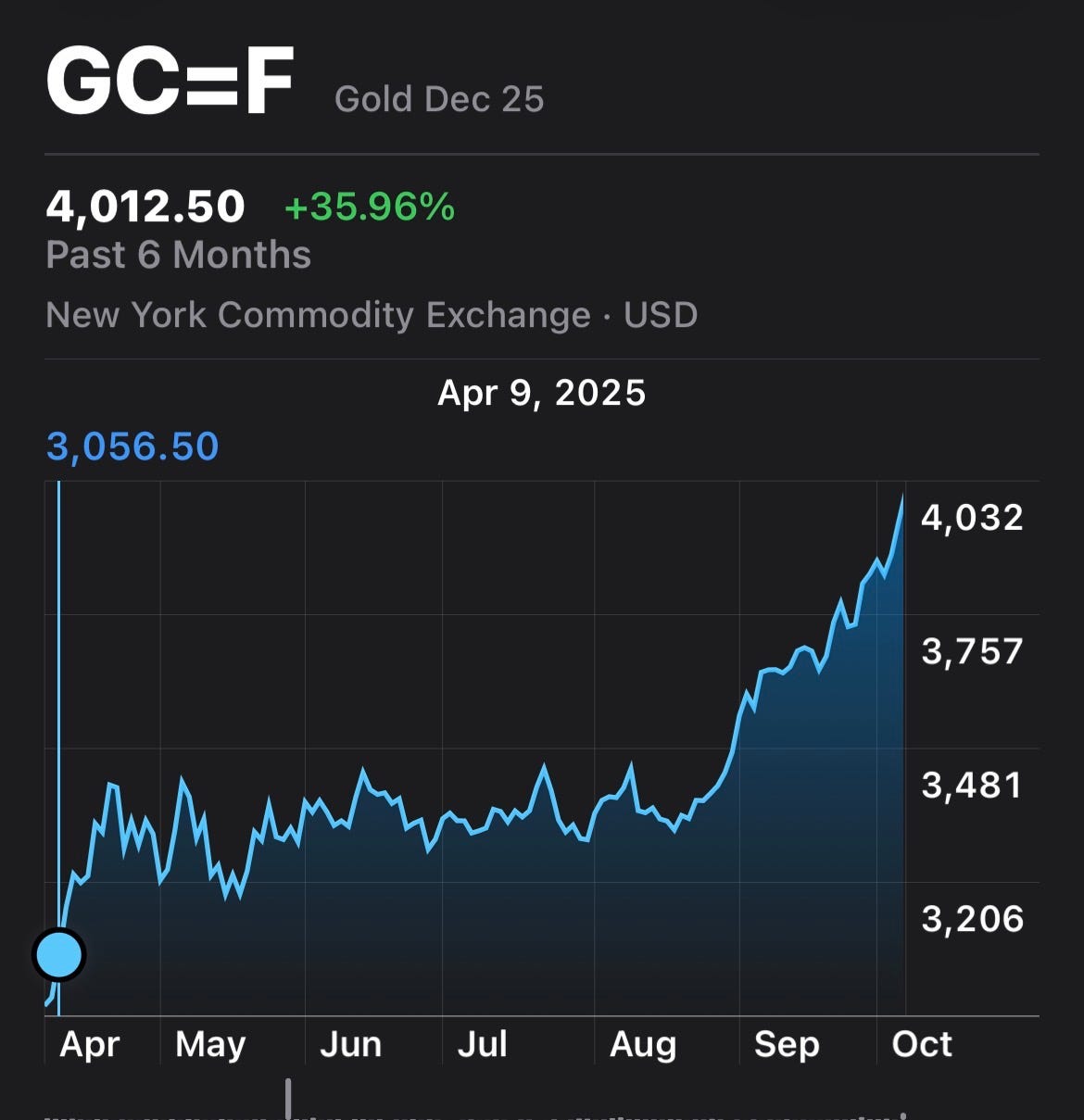
In real terms, the dollar’s decline is best understood by comparing it to what actually holds value: gold, Bitcoin, commodities, and the labor it can command. Each reflects the same trend—the steady weakening of the currency itself.
Key observations:
Gold has risen more than 70% since 2019, not because it became stronger, but because confidence in fiat money declined.
Bitcoin, despite volatility, mirrors the same dynamic in digital form, often rising as markets anticipate further liquidity and monetary expansion.
The U.S. dollar’s share of global reserves has slipped from 72% in 2000 to roughly 58% today, signaling a gradual retreat from dollar dominance.
Commodities and real yields reinforce the picture: investors are accepting negative real returns on Treasuries simply to remain liquid, while tangible assets continue to outpace both inflation and equities.
This inversion is the essence of the Great Debasement—an era in which asset prices rise not because of genuine growth, but because the denominator beneath them is quietly dissolving.
The Treasury Problem
U.S. Treasuries have long been considered the safest assets in the world, offering “risk-free returns.” Today, they increasingly represent return-free risk.
Key points:
U.S. debt is around 120% of GDP (Q1 2025).
Foreign investors once held roughly 59% of Treasuries; that share is now closer to 47%.
Central banks around the world are quietly replacing Treasuries with gold as confidence declines.
The Federal Reserve itself holds trillions in Treasuries, effectively buying its own government’s debt.
The foundation of the global financial system—the U.S. Treasury market—is now supported by the same institution that creates the dollars used to purchase it.
The Global Truce
This is not just an American phenomenon. Nearly every major economy is engaged in the same process: printing money, suppressing real interest rates, and using inflation to manage debt levels.
It has become a global agreement to preserve short-term liquidity at the expense of long-term currency stability.
Short-term: liquidity and economic survival.
Long-term: a reckoning in the value of money itself.
The Takeaway
The “Great Debasement” is already underway. Currencies are being quietly sacrificed to preserve the illusion of prosperity. Governments manage their debt not through austerity, but through dilution.
The only true hedge is ownership of assets that cannot be printed.